AI models for fashion e-commerce: how to cast them so the garment still sells
AI generated models work for fashion e-commerce when you start from photos of your real garments and cast the model for your customer, not for the tool. Keep one model consistent across a season, check every image against the real product, and be open that the model is AI. Done this way, the shopper looks at the garment, not at the technology.
Why casting decides whether AI models work
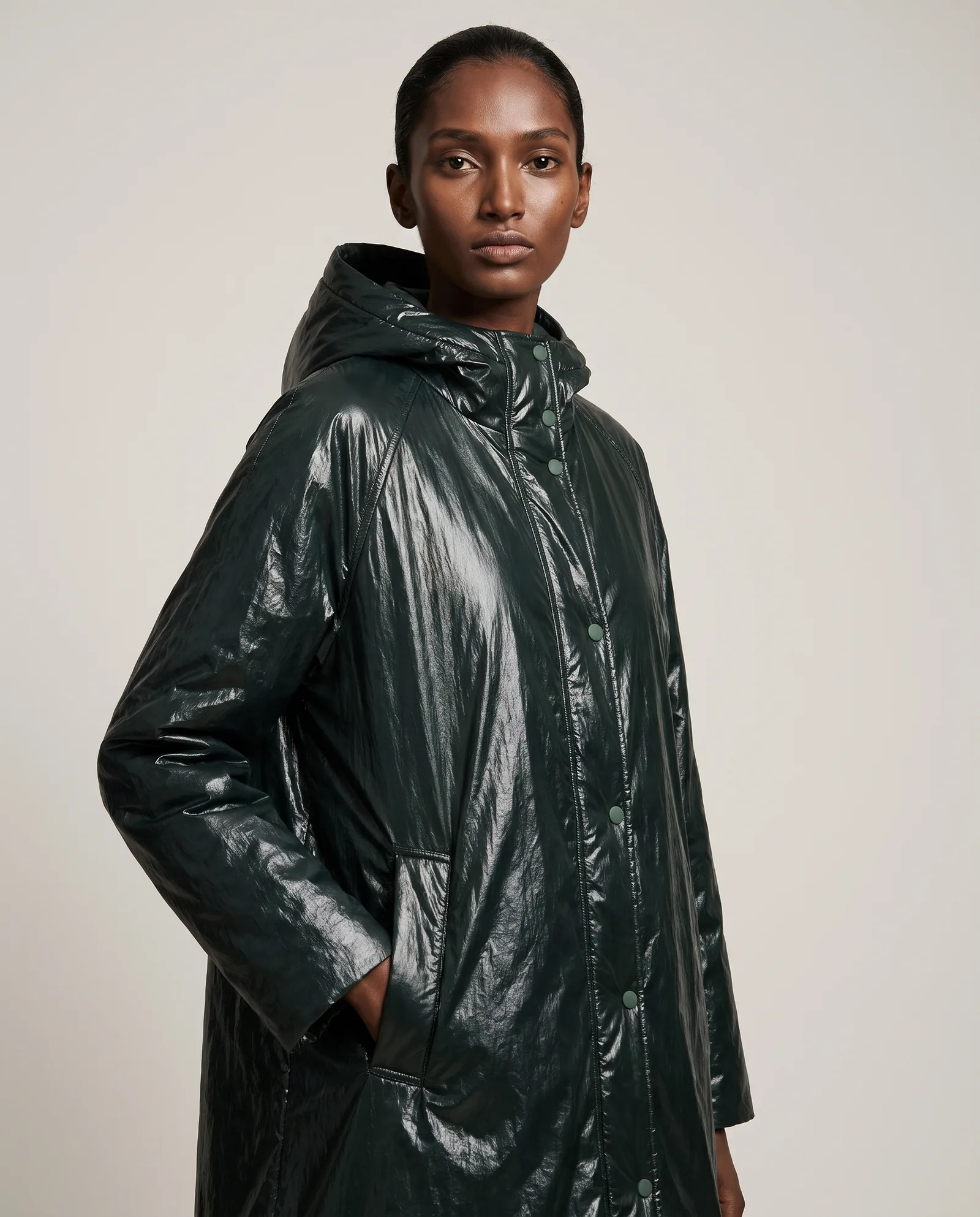
Most AI model images fail for one reason: the model looks generic. Same face, same pose, same perfect skin as every other brand using the same tool.
The shopper may not know it's AI. They do feel that it isn't your brand.
Casting is the fix. In a traditional shoot, a casting director picks a face that fits the brand and the customer. With AI, someone still has to make that choice. Age, body type, attitude and styling should come from your brand world, not from the tool's default settings.
Model swap or new AI model: when to use each
There are two main ways to use AI models. They solve different problems.
Model swap on photos you already have
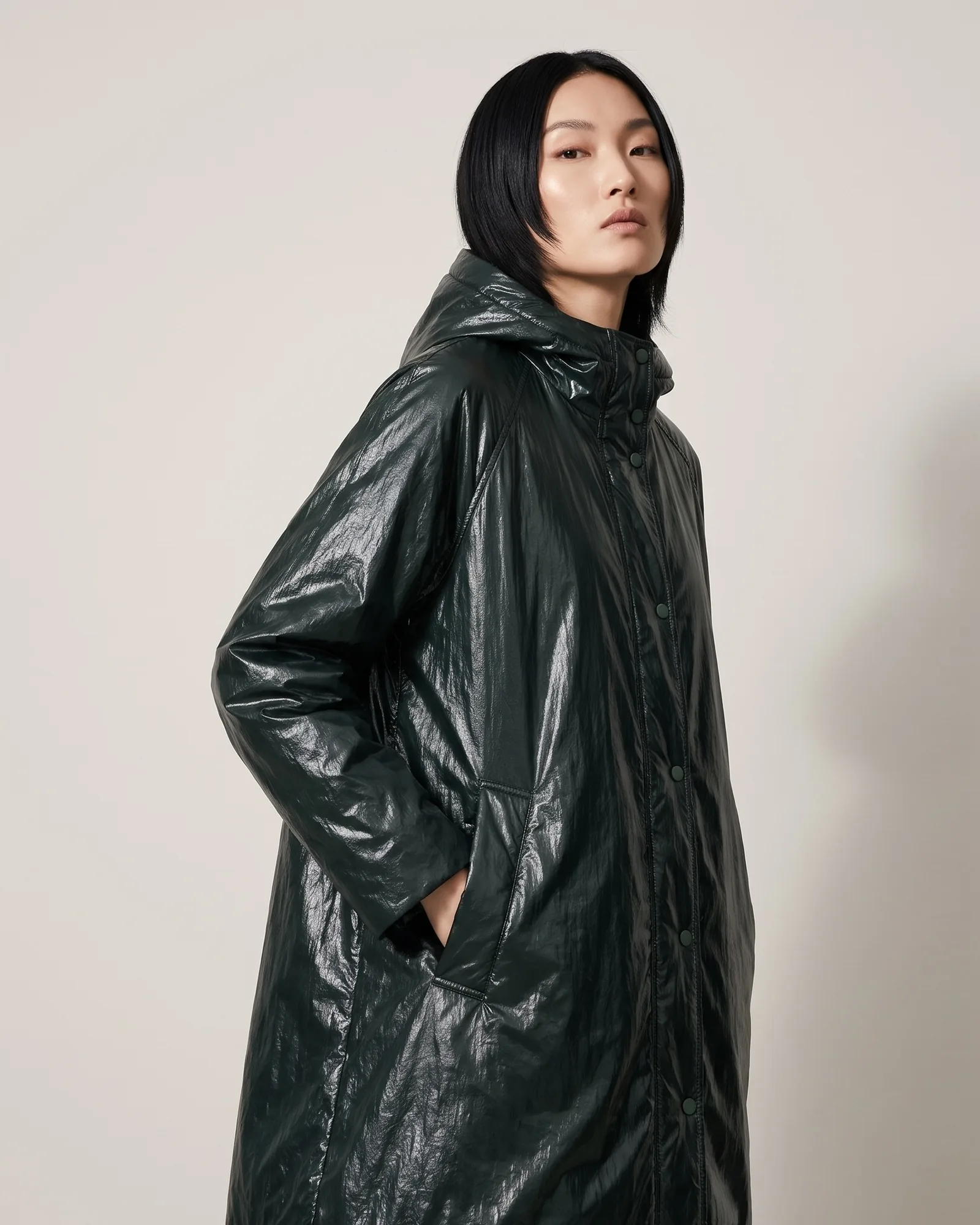
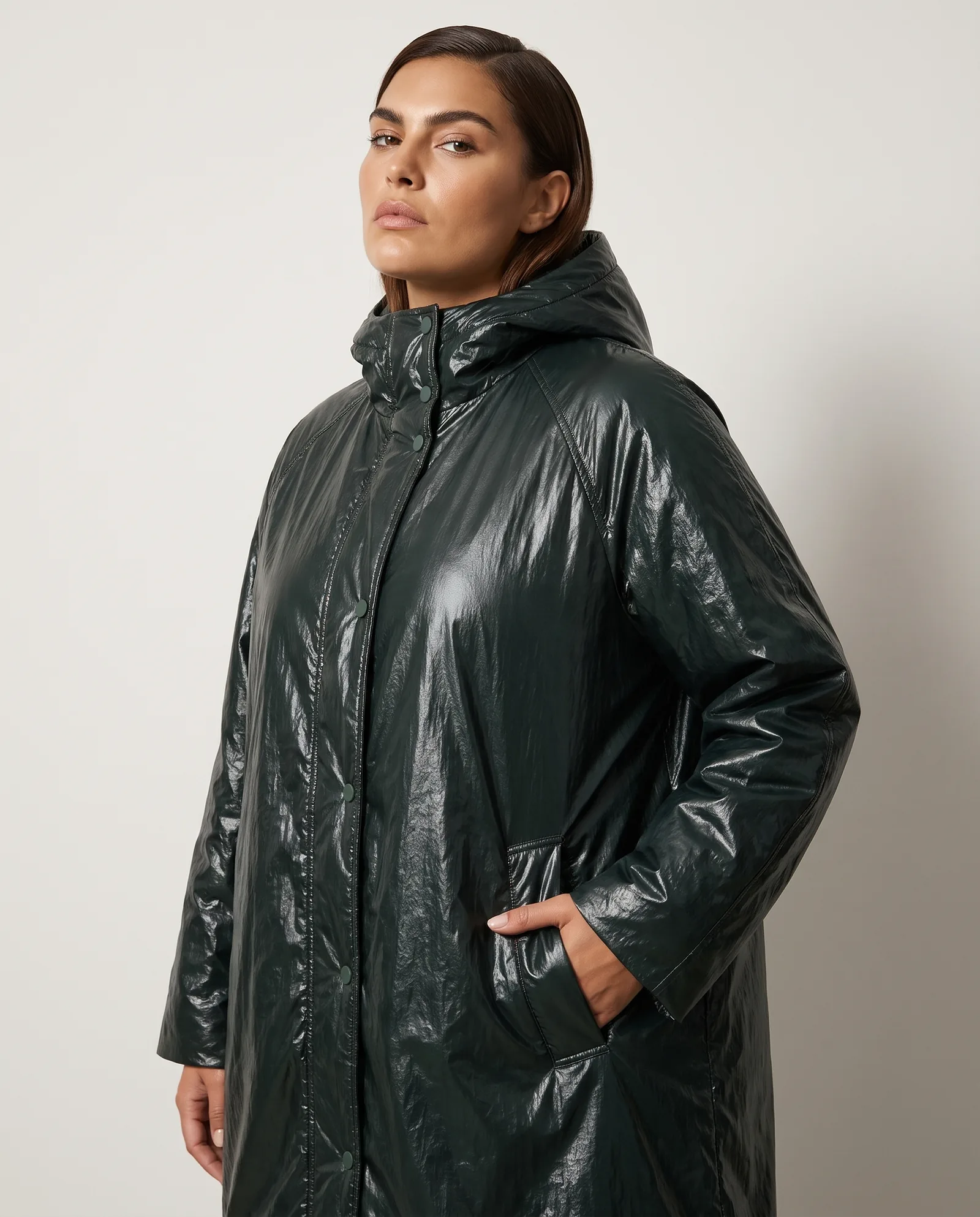
You keep your existing on-model photos and change the model: a different face, skin tone or body type. The garment, pose and light stay the same.
Use it when:
- you already have good on-model images
- you need versions for other markets or customer groups
- the fit in the original photo is right and you don't want to risk it
Always confirm your image rights first. If the original model's contract doesn't allow changes to their image, you can't use it as a base. This is not legal advice.
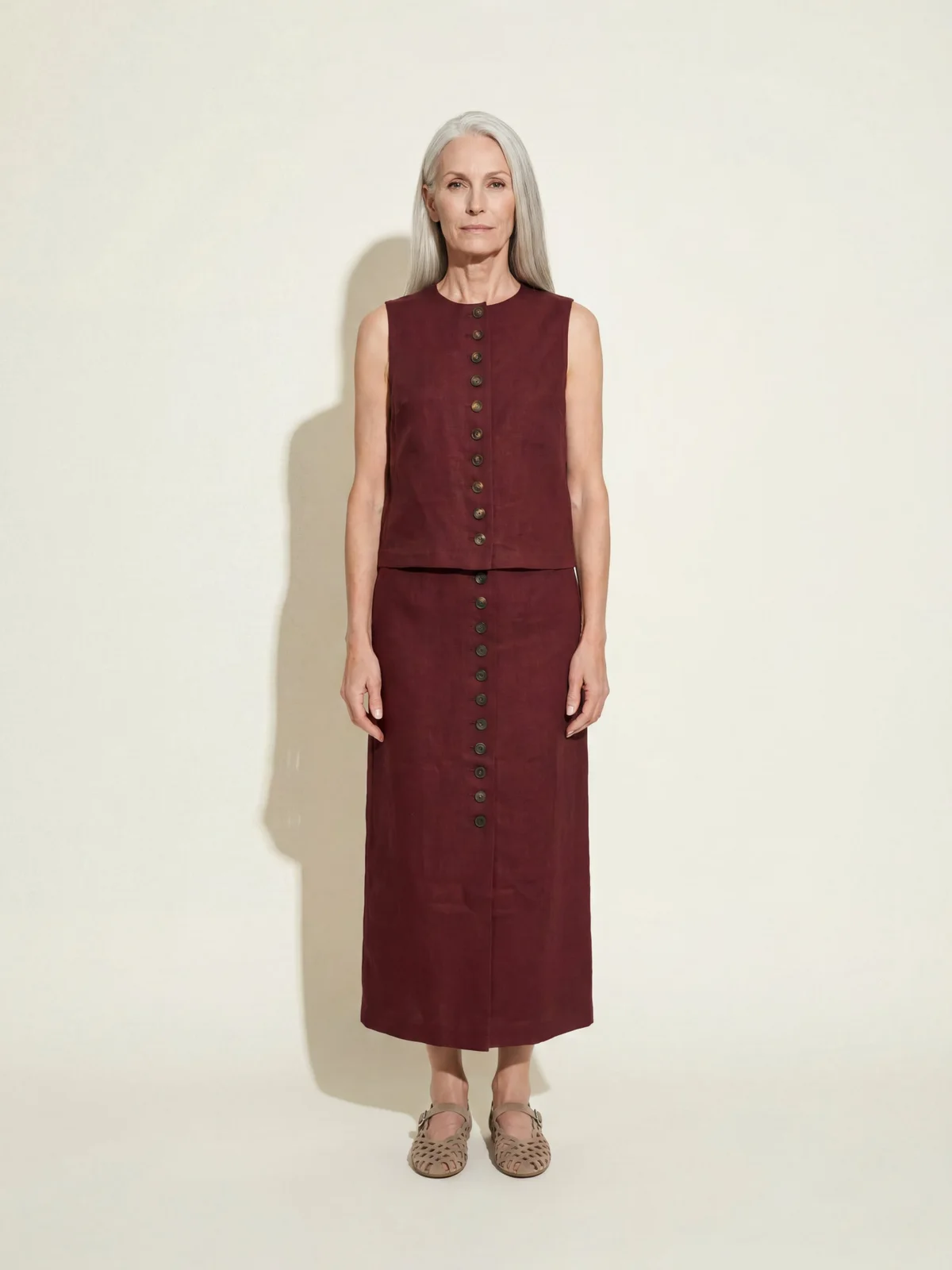
New AI model from your garment photos
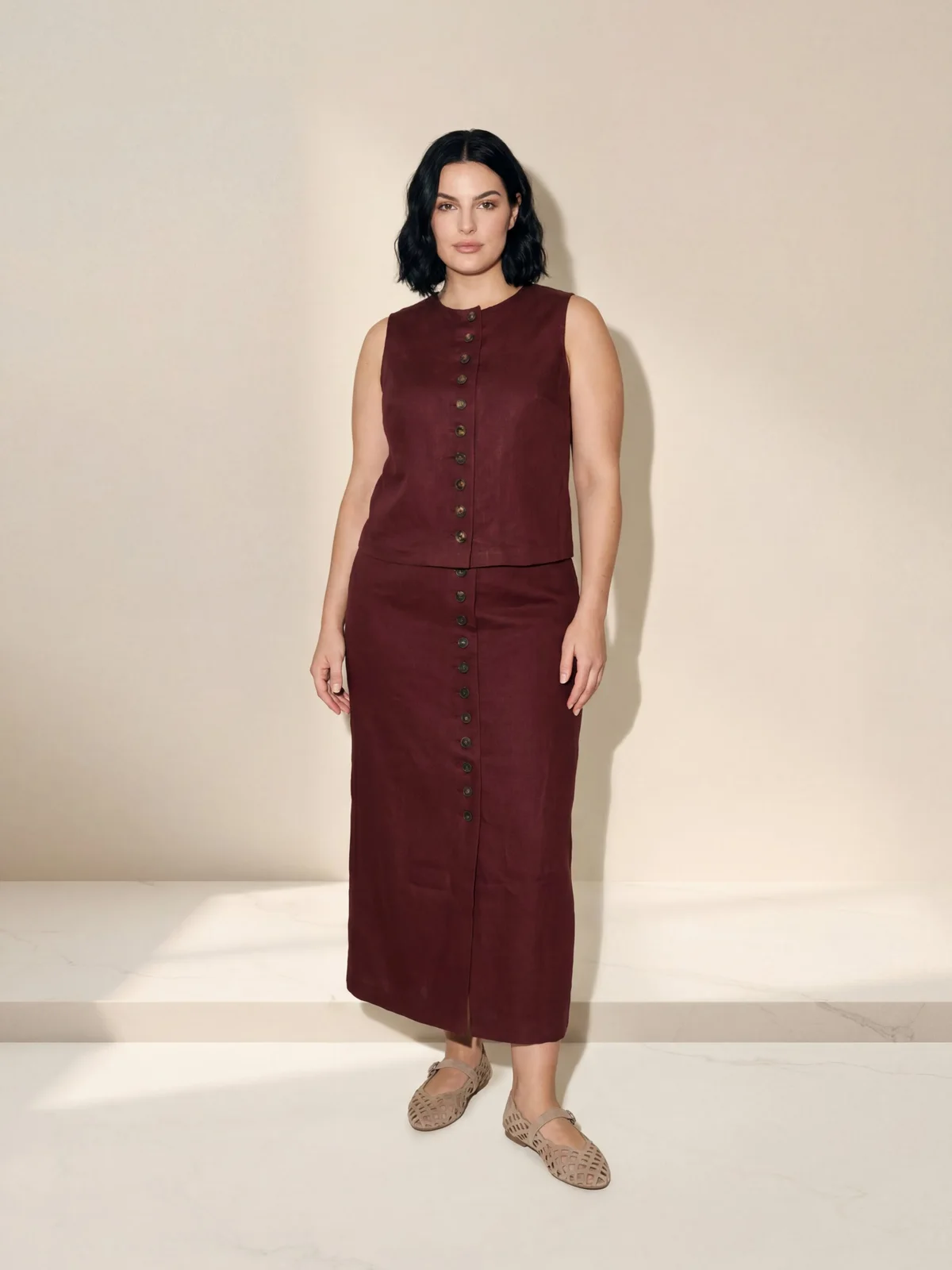
You start from packshots or flat lays and create the on-model image from scratch, with a model cast for your brand.
Use it when:
- you have packshots but no on-model images
- you are launching a range and want a model built for it
- you need one consistent face across many SKUs
In the Sixty8ight trial, we used one consistent AI model across three looks, including a dress and a mini skirt. The same model carried high-flash product images on an off-white and grey background, and social scenes in Hong Kong-style streets and apartments.
Casting for each market
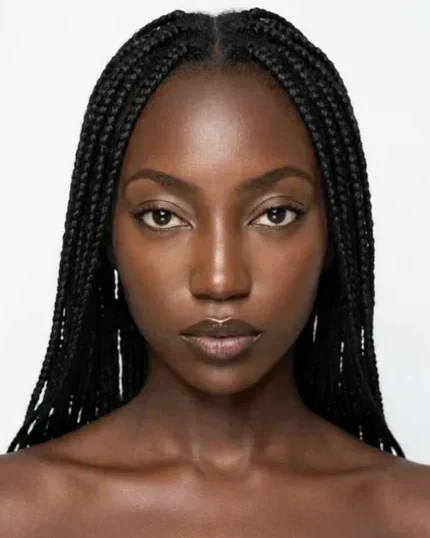
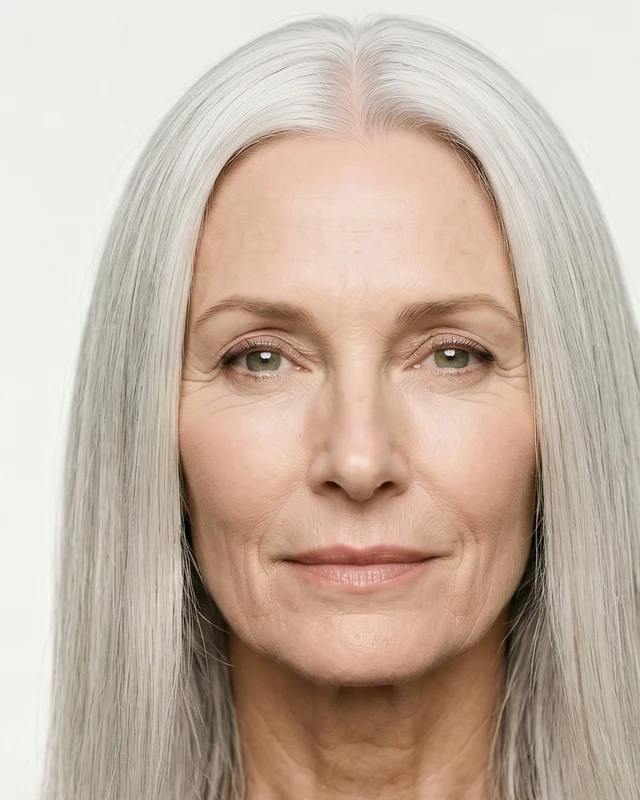
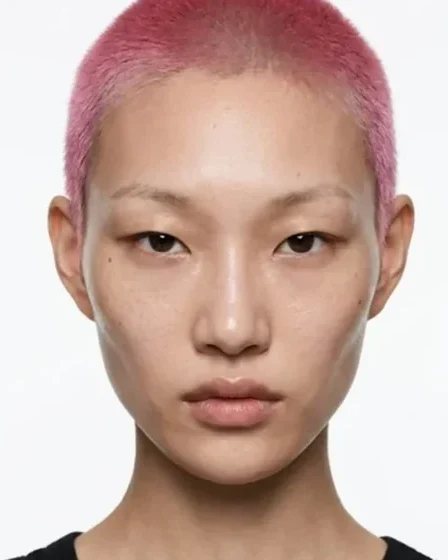
A model who works in Paris may not be the best fit for Shanghai, and the reverse. The questions are the same in every market:
- Who buys this product? Age, style and lifestyle.
- Which body types should they see? A range of sizes helps shoppers judge fit.
- Which skin tones and features reflect the market? This is commercial logic, not decoration.
- Which attitude fits the brand? Editorial and distant, or warm and approachable.
AI makes this cheaper than reshooting for each market. It doesn't make the decision for you.
"We cast based on our clients' recommendations."
The brand knows its customer best. Our job is to turn that brief into faces that work in the image and stay consistent across the range. Diversity should be part of the plan from the first brief, not an extra added later. More on this in AI fashion content for China and Europe.
One model, one season
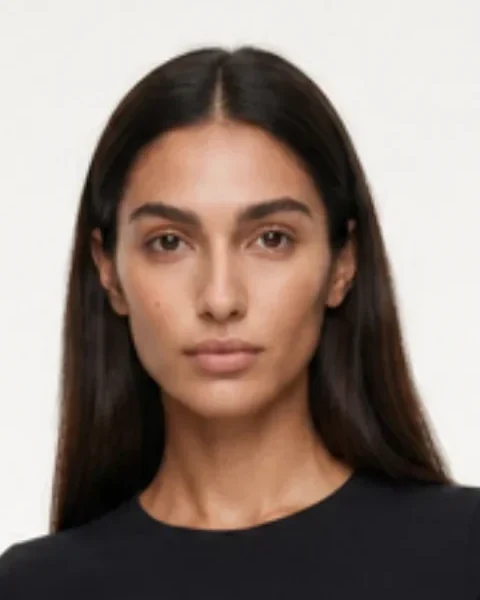
Consistency is what makes a catalogue look professional. If the face changes from one product page to the next, the store looks like a marketplace.
To keep one AI model consistent:
- Lock the model's face, body and styling in a few approved reference images.
- Use those references for every new image.
- Keep light, background and crop consistent.
- Check each new batch against the references before it goes live.
This is a production discipline, not a single prompt. It is where most self-serve tools struggle, and where an agency workflow helps.
What the garment needs to look right
The model is there to sell the garment. These checks matter most:
- Fit: shoulder line, sleeve length and hem should match the real product.
- Drape: a silk dress and a denim dress don't fall the same way.
- Fabric: texture, shine and weight should be visible.
- Colour: check against the physical swatch, not against another photo.
Complex prints, sheer layers and heavy knits can need manual work. A good partner tells you which garments will need it before production starts.
Common casting mistakes
A few patterns make AI models look cheap, even when the garment is right.
- The default face. Accepting the first face the tool offers. It is often the same face other brands get.
- Too perfect. Flawless skin, symmetrical features and frozen smiles read as fake. Real texture reads as real.
- Wrong attitude. A sporty catalogue pose on a luxury coat, or a high-fashion pose on everyday basics.
- Diversity as decoration. Changing skin tone on one image to tick a box, instead of casting a real range from the start.
- Styling that steals focus. Busy accessories, loud make-up or extra clothing that pulls the eye away from the product.
The test is simple. Show the image to someone on your team who didn't brief it. If they talk about the model before the garment, the casting needs work.
Be open about it
Shoppers and regulators pay more attention to AI images every season. Several brands have faced public criticism over AI models, especially when AI was presented as a way to show diversity without working with diverse people.
Two simple rules help:
- Label AI images where your markets require it, and consider doing it where they don't. In Europe, the EU AI Act's transparency rules have applied since 2 August 2026.
- Use AI to show more people, not to avoid working with them.
What to send us
- Garment photos: packshots or flat lays, front and back, sharp and colour-true.
- Size range and fit notes for each product.
- Casting direction: your customer, your markets, and reference images you like.
- Image rights for any existing on-model photos you want us to use as a base.
- Brand rules: background, crop and styling.
You approve the model and a few sample frames first. Then the full range follows. Turnaround is agreed per project, often days rather than weeks. See AI models for clothing brands.
Questions
Can I use AI models for my clothing brand?
Yes. You can put your garments on AI models cast for your customer, working from photos of your real products. A person should direct the casting and check every image.
How do AI models work for fashion e-commerce?
You send photos of the real garment. The AI places it on a model, keeping the fit, fabric and colour. A person checks the result against the product before it goes live.
Model swap or new AI model: which is better?
Model swap is best when you already have good on-model photos and need new versions. A new AI model is best when you only have packshots or want one face across a whole range.
How do I keep the same AI model across a collection?
Lock the face, body and styling in approved reference images, use them for every new image, and check each batch against them.
Do I need to tell customers that a model is AI-generated?
Rules differ by market. The EU AI Act's transparency rules have applied since 2 August 2026, and China has required labelling of AI-generated content since 1 September 2025. Being open is the safer choice. This is not legal advice.