AI fashion content for China and Europe: one shoot, two markets
You can run one fashion campaign for China and Europe by keeping one creative direction and adapting casting, settings, formats and seasonal moments for each market. AI makes those versions possible without a second shoot. What it doesn't replace is local judgement: someone who knows both markets should approve each version before it goes live.
Why one campaign rarely works in both markets
Brands selling in both China and Europe usually face a choice. They can shoot twice and pay twice. Or they can run one campaign everywhere and accept that it fits one market better than the other.
Neither is good. The European image can feel distant to a shopper in Shanghai. The China version can drift away from the brand's European look.
AI adds a third option: one creative direction, two market versions. The garment, the brand codes and the quality stay the same. The context changes.
This is work we know well. POMPOM's founder has spent over 12 years in China working with fashion brands from both sides.
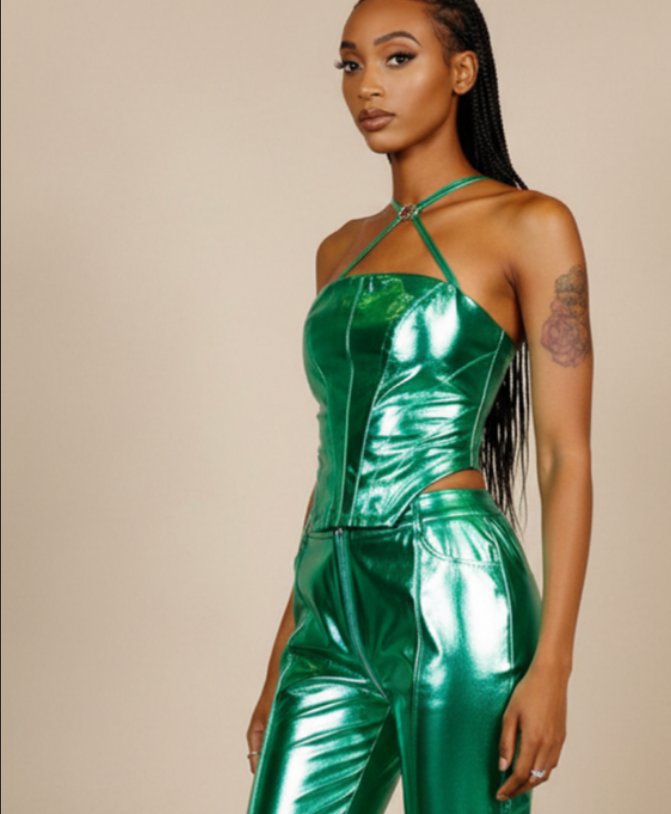
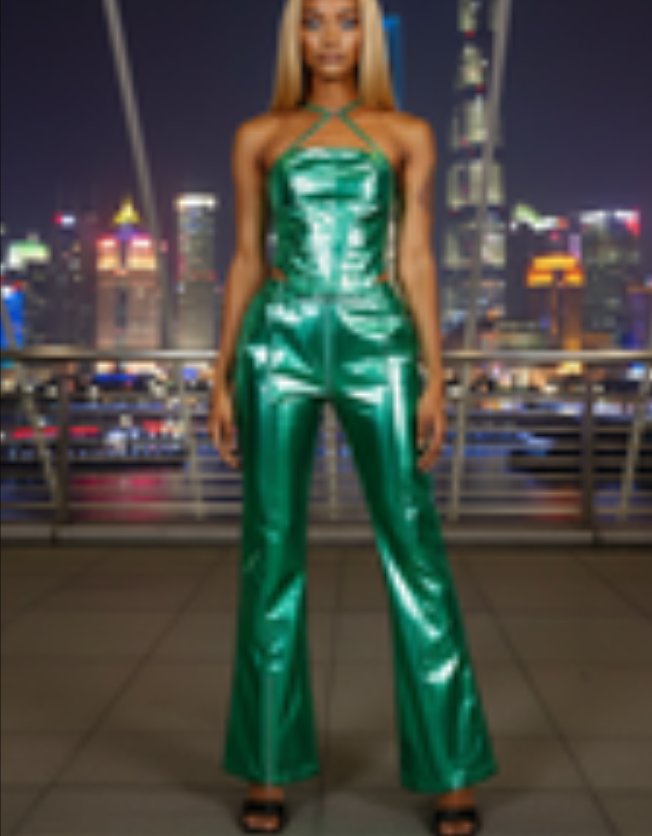
For Vixen LA, one green metallic set went from a packshot to a clean on-model image, then to a night-time city location. Same garment, new context, no second shoot.

What changes between Tmall, Douyin and European product pages
Formats
Platforms in China and Europe ask for different shapes and lengths. Chinese marketplace product pages often run as long vertical detail pages, with many images stacked. Social commerce on Douyin and Xiaohongshu leans heavily on vertical video. European brand sites tend to use shorter galleries of portrait images.
With AI, the same look can be cropped, recomposed and extended for each format instead of reshot. Check each platform's current image specifications before production starts, because they change.
Settings
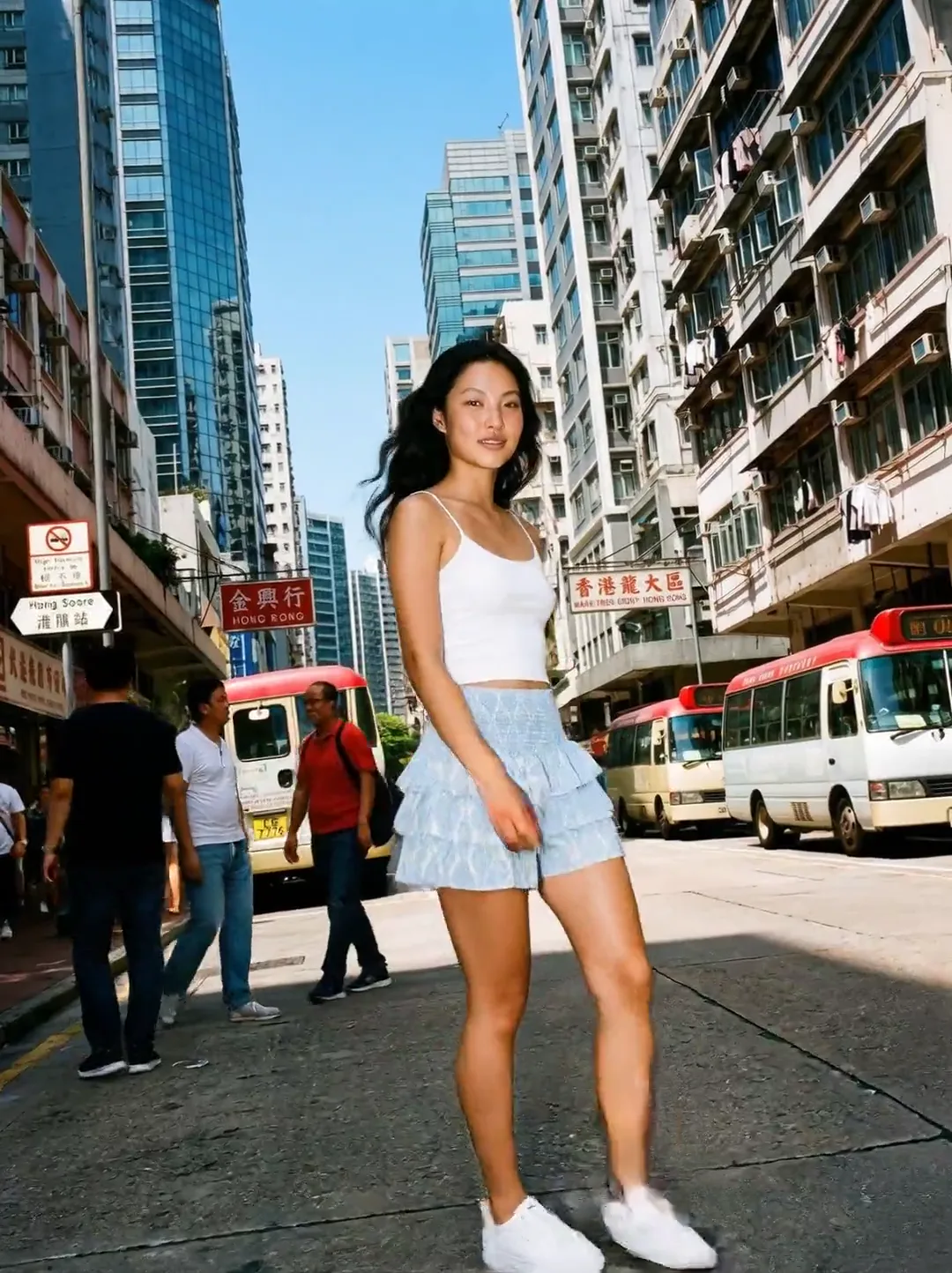
A Paris street, a Shanghai lane, a Hong Kong apartment. The location tells the shopper "this is for you". In the Sixty8ight trial, social scenes were set in Hong Kong-style streets and apartments, while the product images stayed on a clean off-white and grey background for the product page. That is the image at the top of this article.
Pace and volume
Chinese e-commerce often runs on frequent drops and campaign moments, so content has to refresh faster. AI production makes that volume realistic without booking a shoot each time.
Casting and diversity for each market
Casting is the most visible change between markets, and the most sensitive.
- Reflect the shopper. People respond to faces they can see themselves in: features, skin tone, body type and age.
- Keep the brand attitude. A cool, editorial brand should stay cool in both markets. Only the face and the setting change.
- Plan diversity from the start. Build casting for each market into the first brief, not as an afterthought.
- Avoid clichés. Cultural symbols used as decoration can backfire. A local reviewer catches this before launch.
"What European brands get wrong in China is casting, and not localising campaigns for moments like 11.11, 618 and Chinese Valentine's Day."
AI makes several casting options affordable. Choosing between them is still a creative decision. See how we cast AI models for clothing brands.
Seasonal moments without a separate shoot
China's retail calendar has its own peaks: Chinese New Year, Qixi, 618 and 11.11. Europe has others: spring/summer and autumn/winter drops, Black Friday and the holiday season.
A traditional approach means separate shoots for each moment. With AI, one core shoot or one set of product photos can become:
- a Chinese New Year capsule, with red and gold details in the setting
- a Qixi version built around gifting
- a European holiday version
- 618 and 11.11 campaign images in vertical formats
The garment stays the same. The story around it changes. This is where AI fashion photography and AI fashion video production work together: one direction, many market moments.
Cost stays under control too. AI production typically runs at 40-70% lower cost than traditional production, and turnaround is agreed per project, often days rather than weeks.
Labelling AI content in both markets
Both regions now have rules on AI-generated content, and brands selling in both need a plan for them.
- China. The Measures for Labeling AI-Generated Synthetic Content have applied since 1 September 2025. They cover AI-generated text, images, audio and video, with visible labels and embedded metadata, and platforms ask users to declare AI content when they publish it.
- Europe. The transparency rules in Article 50 of the EU AI Act have applied since 2 August 2026. They include marking AI-generated content and disclosing deepfakes.
Which rules apply to a given fashion image depends on what it shows and where it is published. This is not legal advice, so confirm the details with your counsel. The practical answer is to plan labelling from the first brief, so assets are ready for both markets without rework.
How a two-market project runs
A project for China and Europe usually follows five steps.
- One brief. You send the collection, product photos, brand rules and the markets you sell in.
- One creative direction. We agree the core look: light, mood, styling and the garment story.
- Market versions. We propose casting, settings and formats for each market, as sample frames.
- Review on both sides. Your teams in Europe and China approve their own version. Local feedback comes in before full production, not after launch.
- Full production. Product images, campaign stills and video are made for each market and cut for each platform.
The main saving is not only the second shoot. It is the time spent keeping two separate productions on brand. With one direction, both markets start from the same source, so the brand stays recognisable everywhere.
A checklist before you brief
Answer these five questions before the first call. They decide most of the project.
- Which markets, exactly? Mainland China, Hong Kong, Europe, or all three. Each one changes casting, settings and formats.
- Which channels? Your own site, Tmall, Douyin, Xiaohongshu, European marketplaces, social. Each has its own shapes and lengths.
- Which moments? The launch date, plus any seasonal peaks the collection has to cover.
- Who approves locally? Name one person per market, with the authority to say yes.
- What must never change? The brand codes that stay fixed everywhere: logo use, colours, the way the garment is shown.
With these answers, the first sample frames can be right for both markets instead of a starting point for a long debate.
What still needs a local team
AI handles the production. Some things still need people on the ground:
- Final cultural review of every China and Europe version
- Copy and translation. Product names, sizes and claims need native speakers, not machine translation alone.
- Platform operations. Listings, campaigns and customer service on Tmall, JD, Douyin or European marketplaces.
- Influencer and KOL work, which depends on real relationships
The best set-up is AI for production, a creative director who knows both markets, and local partners for operations.
Questions
Can one fashion campaign work in both China and Europe?
Yes, if you keep one creative direction and adapt casting, settings and formats for each market. AI makes those versions possible without a second shoot.
What should change between China and Europe versions?
Usually casting, locations, image formats and seasonal moments. The garment, the brand codes and the quality stay the same.
Can AI create Chinese New Year or 11.11 content without a new shoot?
Yes. From existing product photos or a core shoot, AI can create seasonal versions with new settings and details. A person should check each version for cultural fit.
Do AI fashion images need to be labelled in China and Europe?
Both regions have rules. China's AI content labelling measures have applied since 1 September 2025, and the EU AI Act's transparency rules since 2 August 2026. Which ones apply depends on the image and where it is published, so confirm with legal counsel.
Is localised AI content cheaper than shooting twice?
Usually. AI production typically runs at 40-70% lower cost than traditional production, and you avoid a second shoot entirely.