The best AI for fashion photography: tool or agency?
There is no single best AI for fashion photography. Self-serve tools are best for simple, high-volume images your own team can check. An AI content agency is the better choice when the image carries the brand: campaigns, hero product pages, and any look where fit, fabric and casting have to be right.
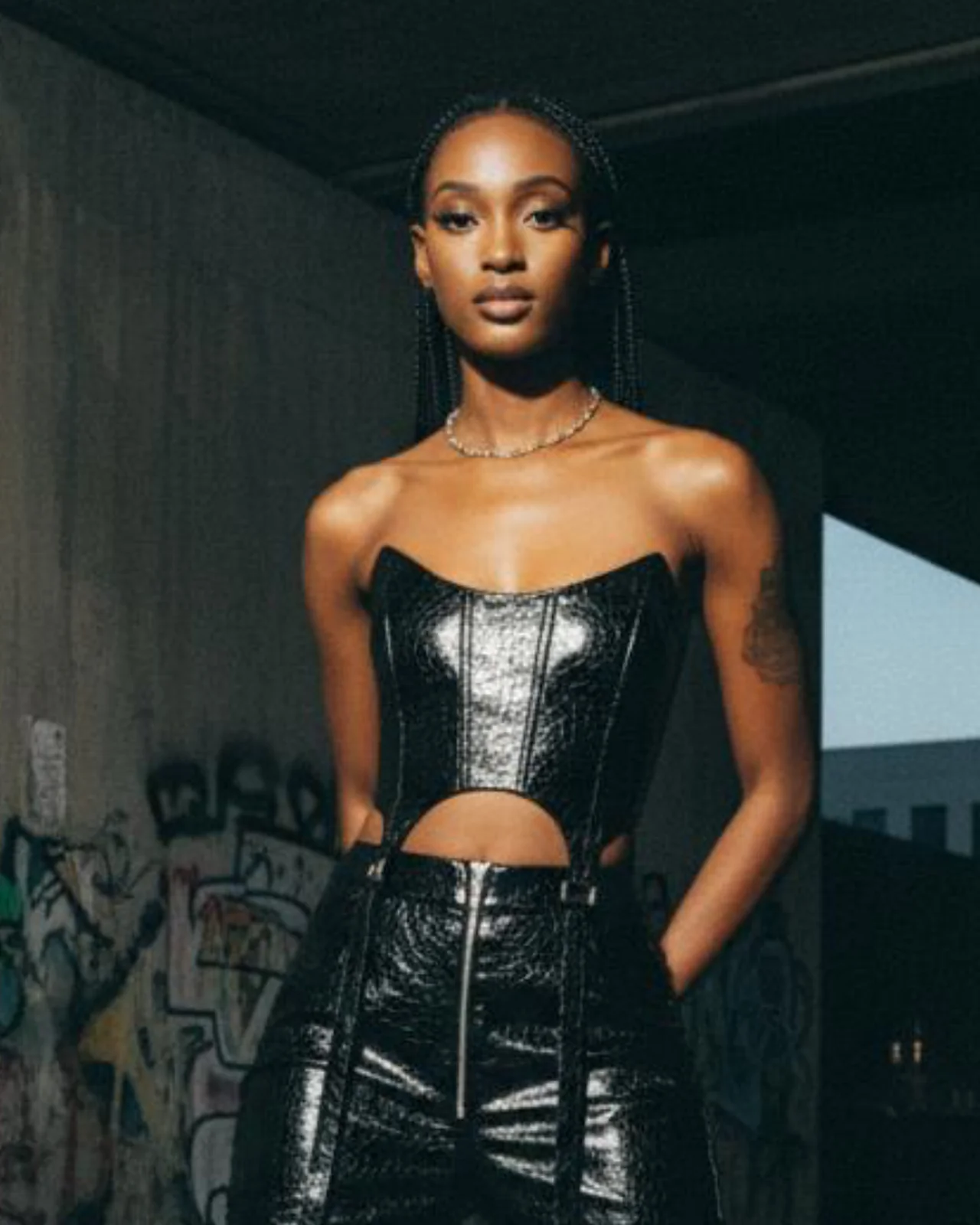
What "best" means for a fashion brand
Most "best AI" lists rank tools on features. A fashion brand should rank them on four other things. These decide whether an image sells the garment or quietly damages the brand.
1. Garment fidelity
Does the garment in the image match the garment in the box? Seams, buttons, logo placement, the weight of the fabric and how it falls. A customer who receives something different from the photo sends it back.
2. Brand consistency
One good image is easy. Two hundred images that look like the same brand are not. Light, casting, styling, crop and colour have to hold from the first SKU to the last.
3. Volume and cost
AI earns its place on volume. The real question is what each usable image costs once you count the people who fix the ones that aren't usable.
4. Who checks the work
Every AI image needs a person to approve it. With a tool, that person is on your team. With an agency, it is theirs, and you approve the final selection.
What AI tools do well
Self-serve platforms have improved fast. Tools such as Botika, Photoroom, Claid, Modelia and FASHN cover jobs like background removal, clean packshots, putting garments on AI models and quick social images. Their features change often, so check each one's current offer before you choose.
They work best when:
- the garment is simple: solid colours, clean cuts, few details
- the brand already has a clear visual system the team can apply
- someone in-house has time to generate, select and fix images
- the images are for volume channels, such as marketplace listings or quick social posts
For a small catalogue of simple products, a tool can be the right answer. It is cheap to try and quick to learn.
Where tools break
The limits show up at brand level, not image level.
Complex garments
Busy prints, asymmetric layers, sheer fabrics, heavy knits and fine hardware are hard for any model to reproduce. The image looks right at a glance and wrong at 100% zoom. Someone has to spot it and fix it by hand.
Consistency across a catalogue
A tool answers one prompt at a time. Keeping the same model, the same light and the same mood across a season is a production job, not a prompt.
The prompt is not the brief
A tool does what you type. It doesn't ask whether the casting fits your customer in Shanghai and in Paris, or whether the mood matches last season's campaign. That judgement is creative direction, and no software sells it.
"Smaller brands don't always see the value of an AI director. They believe the tools are enough. But for quality content, tools still create a lot of QC management. It depends on how big their team is, and whether they have an AI department in place."
So the real question is not which tool is best. It is who in your team will check every image, and how much time they have.
What an AI agency adds
An AI content agency uses the same kind of models, with people and process around them. At POMPOM Space that means:
- Creative direction first. Casting, location, light and styling are agreed before production starts.
- Automated workflows. Packshots, on-model images, colour variants and video run through repeatable pipelines, so volume doesn't mean chaos.
- Human quality checks. Every image is checked against the real garment. Where a print or texture needs manual work, we say so upfront.
- One system across formats. The same look feeds AI fashion photography, on-model product images and product video.
For Ian Hylton, one grey shirt went from packshot to on-model product image to a styled on-location image, with no additional shoot. The result was 2x PDP content from the same investment.
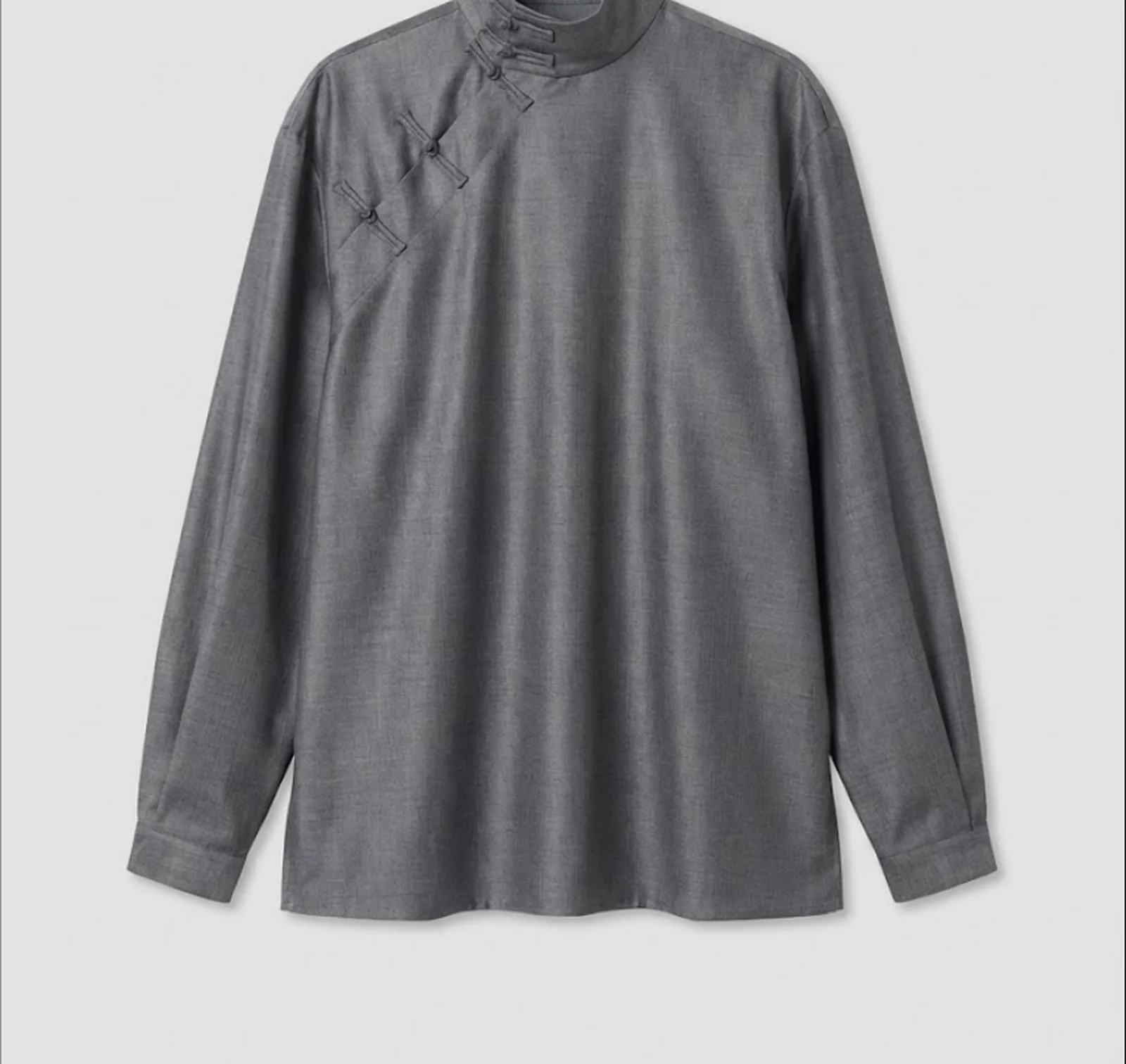
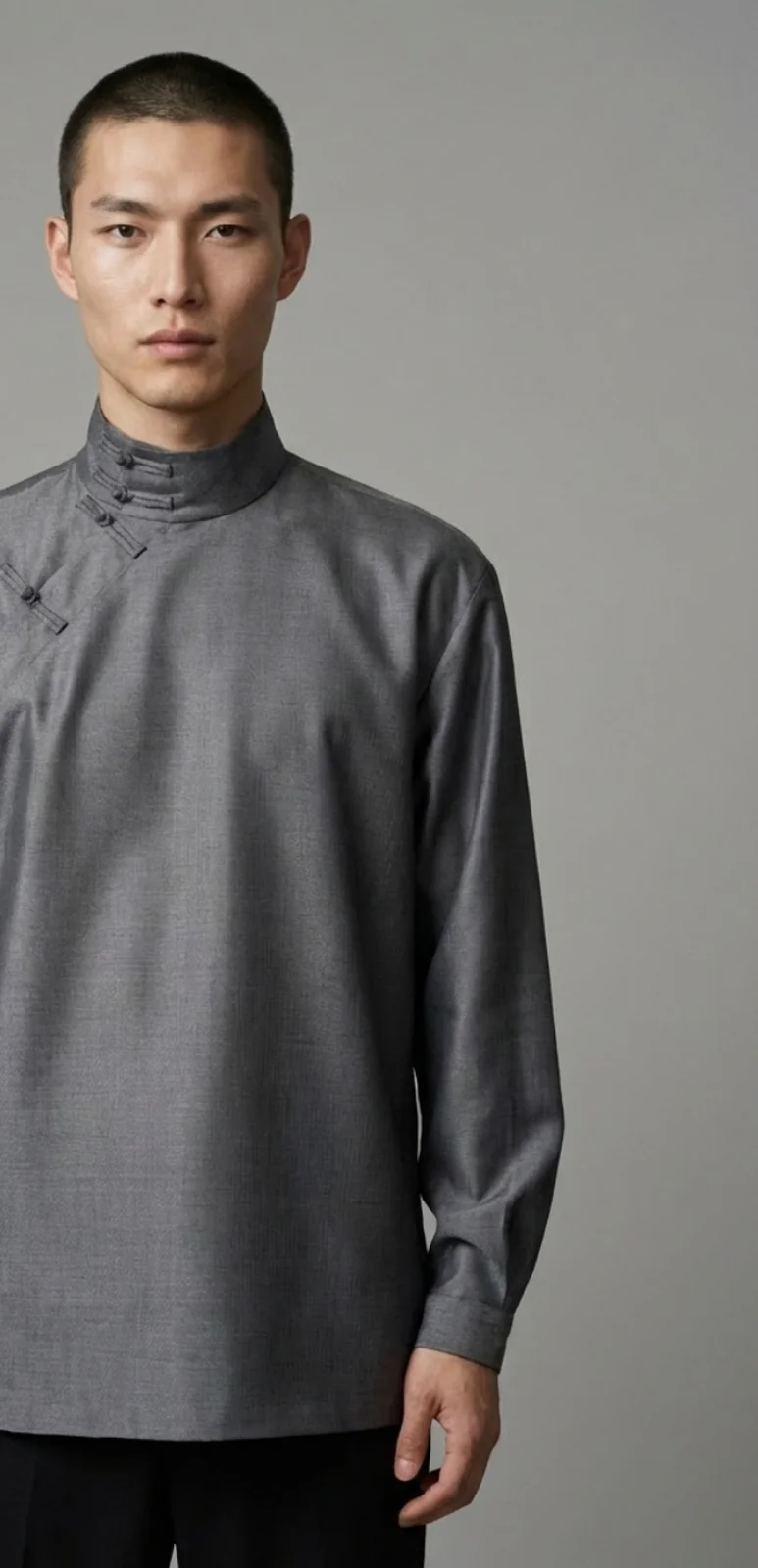
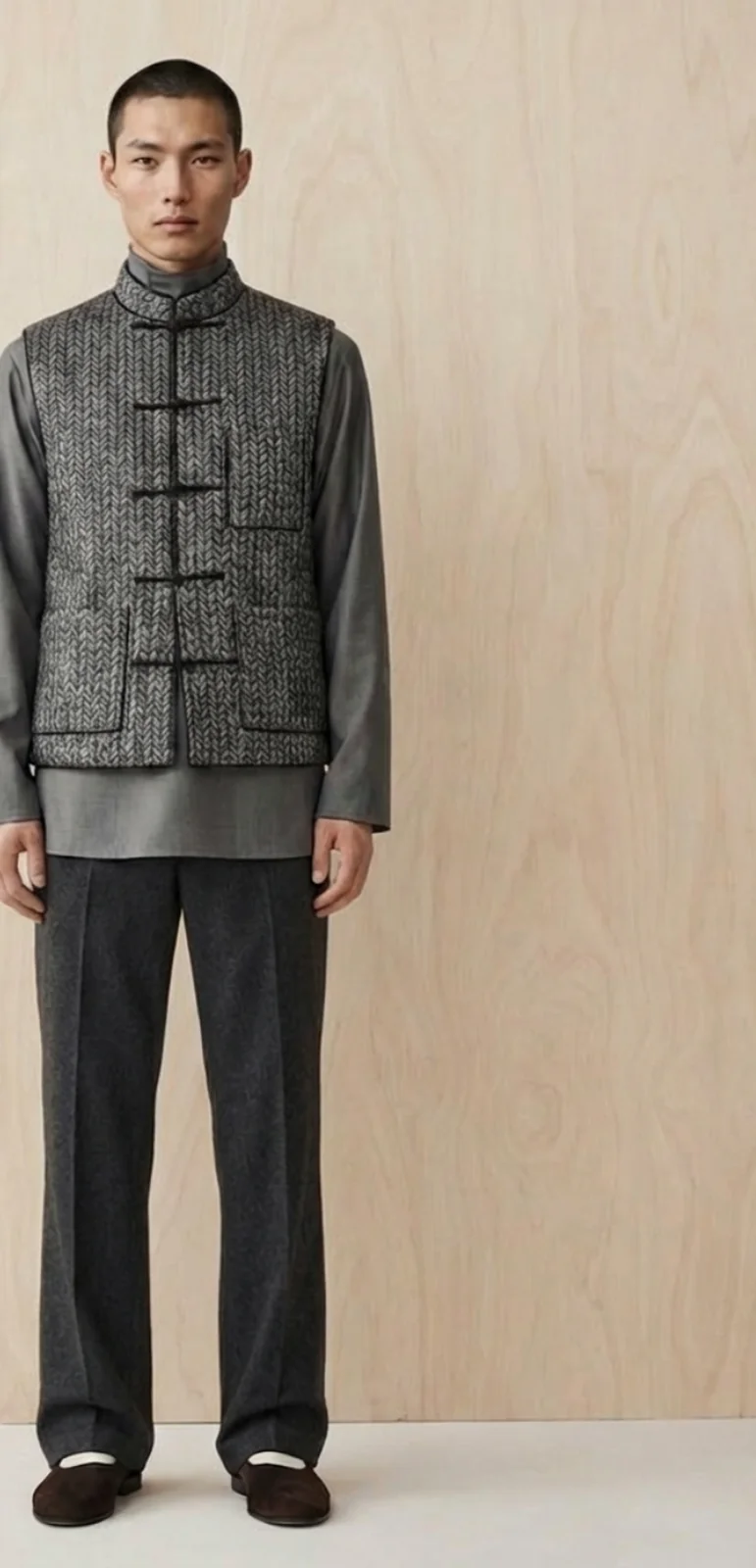
The result is closer to a shoot than to a software subscription. You brief, approve and receive finished assets. You own the images after delivery.
The cost question
Tools win on entry price. Agencies win when you count the whole job.
Compared with traditional production, an AI agency typically runs at 40-70% lower cost. There are no flights, set hire, crews or location fees. Prices are quoted per project, on request.
Compared with a tool, an agency costs more per month. It also removes the hidden cost: the hours your team spends generating, rejecting and retouching. For a brand shipping hundreds of SKUs a season, those hours add up.
Turnaround is agreed per project, often days rather than weeks.
Tool or agency: a quick test
| Your situation | Better fit |
|---|---|
| A small range of simple SKUs, designer in-house | Tool |
| Marketplace listings, white background, solid colours | Tool |
| Campaign or editorial images | Agency |
| Hero product images on your own site | Agency |
| Complex prints, layers, luxury materials | Agency |
| One look needed for Europe and China | Agency |
| No one in-house to check every image | Agency |
| An in-house AI team with time for quality control | Tool |
How brands use both
The choice is rarely all or nothing. Many fashion teams split the work by risk.
Low-risk images go to a tool. Marketplace listings, quick social posts, internal mood boards and early concept tests are fine to make in-house. If one image is a little off, little is lost.
High-risk images go to an agency. The campaign that opens the season. The hero image on your best-selling product page. The look that has to work in Paris and in Shanghai. Here a small error is costly, because many people see it and it repeats across channels.
The two can also feed each other. An agency can set the visual system for a season, including the AI model, the light and the crop, and hand it back as references. Your team then uses those references with a tool for the long tail of simple products.
Questions to ask before you sign
- Who checks each image against the real garment?
- What happens when a print or texture doesn't reproduce well?
- Can the same AI model appear across the whole season?
- Who owns the images, and can we use them everywhere?
- How is a project priced, and what counts as a revision?
- Can we see work on garments like ours?
If the answers are vague, the images will be too.
Questions
What is the best AI for fashion photography?
It depends on the job. Self-serve tools suit simple, high-volume images your team can check. An AI content agency suits campaigns, hero product pages and complex garments, where creative direction and quality control matter.
Can AI replace a fashion photoshoot?
For many images, yes: packshots, on-model product images, colour variants and much campaign work. Complex prints and luxury materials can still need manual work. A good partner tells you which images AI can carry before you start.
Is AI fashion photography cheaper than a traditional shoot?
Usually. An AI agency typically costs 40-70% less than traditional production, because there is no travel, set hire or crew. Tools cost less again, but your own team does the checking and fixing.
Who owns AI-generated fashion images?
With POMPOM Space, the brand owns the images after delivery. With a tool, read the platform's terms. Rules on AI images differ by country, so this is not legal advice.
How long does AI fashion photography take?
Turnaround is agreed per project, often days rather than weeks. Volume, the number of looks and approval rounds set the timeline.
Do I need an AI creative director, or are tools enough?
It depends on your team. Tools can be enough if you have an in-house AI team with time for quality control. For quality content without that team, tools create a lot of QC work, and a creative director keeps the images on brand and on spec.